
Introduction: Can You Manage Your Weight Without Frequent Clinic Visits?
Losing weight can be challenging, especially when busy schedules, health conditions, changing hormones or previous unsuccessful attempts make progress difficult.
For many people, finding time for regular clinic appointments adds another obstacle.
That's where an online weight loss program can make a difference.
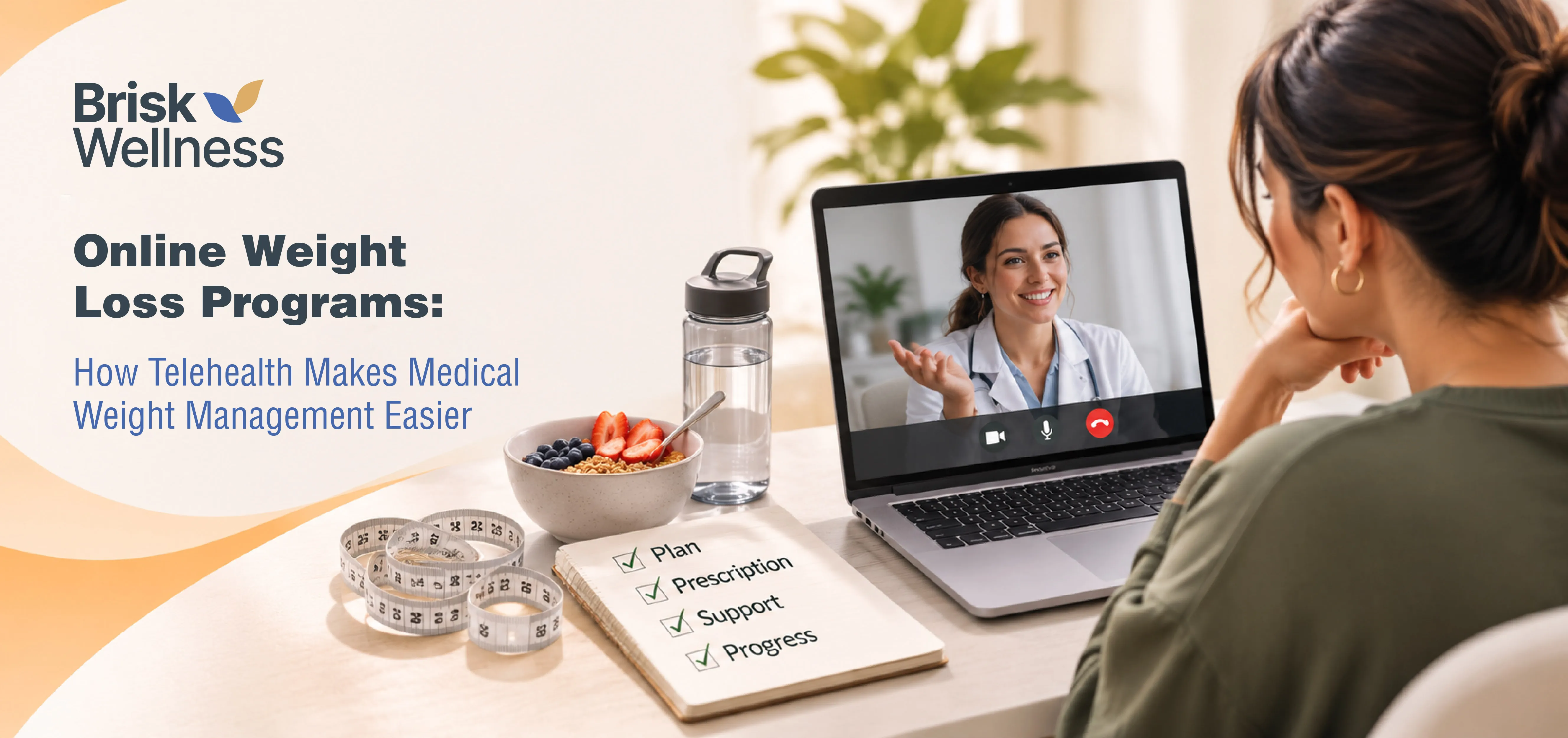
Through telehealth, eligible patients can connect with healthcare professionals, discuss their weight management goals, receive medical assessments and access ongoing support without travelling to a clinic for every appointment.
But online weight management is about more than ordering medication through a website. A responsible program should include proper medical evaluation, personalised recommendations, lifestyle guidance and follow-up care.
In this guide, we'll explain how telehealth weight loss programs work, what treatments may be available, who might benefit and how to identify a trustworthy online provider.
1. What Is an Online Weight Loss Program?
An online weight loss program is a structured approach to weight management delivered partly or entirely through digital healthcare services.
Depending on the provider, patients may access:
- Virtual consultations with licensed healthcare professionals.
- Medical history and health assessments.
- Weight management recommendations.
- Prescription medication evaluation, when appropriate.
- Nutrition and lifestyle guidance.
- Progress monitoring.
- Follow-up consultations.
- Ongoing support and treatment adjustments.
Unlike a general diet app, a medical weight management program may involve healthcare professionals who assess whether underlying health factors or prescription treatments need to be considered.
The exact services vary between providers.
Some programs focus primarily on nutrition and behaviour changes, while others combine medical consultations, prescription treatment options and ongoing monitoring.
2. How Does Telehealth Weight Loss Work?
One of the biggest advantages of telehealth weight loss is that patients can access healthcare services remotely.
Instead of travelling to a clinic for every consultation, patients can use a smartphone, tablet or computer to communicate with healthcare professionals.
Here's how a typical online medical weight management journey may work.
Step 1: Complete an initial health assessment
Most responsible programs begin with an intake questionnaire.
You may be asked about:
- Current weight and height.
- Weight management goals.
- Medical history.
- Existing health conditions.
- Current medications and supplements.
- Previous weight loss attempts.
- Eating habits and physical activity.
- Relevant family medical history.
This information helps the healthcare professional understand your circumstances before recommending treatment.
Step 2: Schedule a virtual consultation
The next step may involve a video consultation, phone appointment or another form of clinician-led assessment.
During the consultation, the healthcare professional may discuss:
- Your health goals.
- Factors affecting your weight.
- Previous treatment experiences.
- Potential health risks.
- Whether additional tests or an in-person examination are necessary.
- Possible treatment approaches.
Not every patient will be suitable for remote-only care. Some situations require laboratory testing, an in-person examination or referral to another specialist.
Step 3: Receive a personalised treatment plan
Following the assessment, the healthcare professional may recommend a plan based on your individual needs.
This could include:
- Nutrition recommendations.
- Physical activity guidance.
- Behavioral support.
- Sleep and stress management strategies.
- Prescription medication evaluation, if medically appropriate.
- Follow-up appointments.
The aim is to create a practical plan rather than provide the same weight loss advice to everyone.
Step 4: Begin treatment, if appropriate
If prescription medication is recommended, the healthcare professional should explain:
- Why the medication may be suitable.
- How it is intended to work.
- Possible side effects.
- Important warnings and precautions.
- How to use it correctly.
- What monitoring may be needed.
A prescription should only be provided following an appropriate medical assessment.
Step 5: Track progress and receive follow-up support
Weight management is an ongoing process.
A quality online weight loss doctor service should offer appropriate follow-up rather than ending the relationship after the first consultation.
Follow-up may involve:
- Reviewing changes in weight.
- Discussing appetite and eating habits.
- Monitoring possible side effects.
- Reviewing treatment progress.
- Adjusting recommendations when necessary.
- Discussing long-term weight maintenance.
This ongoing support can help patients make informed decisions as their needs change.
3. What Treatments Are Available Through Online Medical Weight Loss Programs?
Not every online provider offers the same treatments.
Depending on your location, medical history and eligibility, a healthcare professional may discuss several approaches.
1. Lifestyle and nutrition support
Nutrition and physical activity remain important parts of medical weight management.
A personalised plan may include:
- Balanced meals with appropriate portions.
- Adequate protein and fibre intake.
- Reducing excessive calorie intake.
- Regular physical activity.
- Strength training.
- Consistent sleep habits.
- Behavioral strategies for managing eating triggers.
Lifestyle support is important whether or not prescription medication is used.
2. GLP-1 medications
Some online medical weight management services may offer consultations to evaluate whether GLP-1-based medications are appropriate.
Examples include semaglutide and other medications approved for weight management in certain countries.
These medicines may help eligible patients by:
- Reducing appetite.
- Increasing feelings of fullness.
- Influencing food intake.
- Supporting weight reduction when combined with lifestyle changes.
They are prescription treatments and are not suitable for everyone.
3. Dual GIP and GLP-1 medications
Tirzepatide is a medication that acts on both GIP and GLP-1 hormone receptors.
In eligible patients, it may help regulate appetite and support weight reduction.
A healthcare professional should assess whether this treatment is appropriate based on individual health circumstances and local prescribing rules.
4. Behavioural and ongoing weight management support
Weight management involves more than medication.
Some programs provide additional support for:
- Emotional eating.
- Meal planning.
- Building sustainable routines.
- Physical activity.
- Motivation and accountability.
- Maintaining progress over time.
A comprehensive program should consider both medical and lifestyle factors.
4. Who May Benefit From an Online Weight Loss Program?
An online medical weight loss service may be useful for people who want professional guidance but find traditional clinic visits difficult to schedule.
It may be worth exploring if you:
- Have struggled to manage your weight independently.
- Want a medical assessment before considering treatment.
- Prefer virtual consultations.
- Have a busy work or family schedule.
- Need ongoing support and progress monitoring.
- Want to understand prescription and non-prescription treatment options.
- Prefer discussing sensitive health concerns privately.
However, telehealth is not appropriate for every situation.
People with complex medical conditions, urgent symptoms or health concerns requiring a physical examination may need in-person care.
The healthcare professional should determine whether remote assessment is sufficient.
5. Are You Eligible for Medical Weight Loss Treatment Online?
Eligibility depends on the treatment being considered, your health history and the prescribing regulations in your country.
For example, in the United States, general FDA-approved weight management medication criteria commonly include:
- Adults with a BMI of 30 or higher.
- Adults with a BMI of 27 or higher who also have at least one weight-related health condition, such as high blood pressure or type 2 diabetes.
These are general criteria, not an automatic prescription.
A healthcare professional may also consider:
- Medical and family history.
- Current medications.
- Previous weight management treatments.
- Existing metabolic or cardiovascular conditions.
- Potential medication interactions.
- Pregnancy plans.
- Possible contraindications.
Some patients may benefit from lifestyle support without prescription medication.
Others may require additional investigations before treatment can be considered.
Important: These examples reflect general US prescribing criteria. Requirements and approved medications differ between countries.
6. Benefits of Choosing Telehealth for Weight Management
Why are people increasingly considering virtual healthcare for weight management?
Here are some practical advantages.
Convenient access to healthcare professionals
Patients can often attend consultations from home or another suitable private location.
This may reduce the time and travel involved in accessing routine appointments.
More flexible scheduling
Some providers offer appointment options outside traditional clinic hours.
Availability varies, but this flexibility can make it easier for people with demanding schedules to seek professional advice.
Personalised medical guidance
A structured program can consider individual health conditions, weight management goals, previous treatment experiences and lifestyle factors.
This is more useful than relying entirely on generic diet advice.
Ongoing progress monitoring
Digital platforms may make it easier to record weight changes, track habits and communicate with healthcare professionals.
Regular monitoring can help identify when a treatment plan needs reviewing.
Access to different treatment options
Depending on the provider and local regulations, patients may be able to discuss lifestyle interventions, prescription medication options and other appropriate medical approaches.
The important point is that treatment should be selected through clinical assessment, not simply based on what is advertised online.
7. Online Weight Loss Programs vs Traditional Clinic Visits
Both virtual and in-person care can play an important role in medical weight management.
The right approach depends on your health needs.
Online weight loss programs may offer:
- Remote consultations.
- Flexible appointment options.
- Digital health assessments.
- Online progress tracking.
- Remote follow-up appointments.
- Reduced travel for suitable consultations.
Traditional clinic visits may offer:
- Physical examinations.
- On-site measurements.
- Immediate access to certain diagnostic services.
- In-person assessments.
- Easier coordination of some complex medical evaluations.
Can both approaches work together?
Absolutely.
A hybrid approach may combine virtual consultations with in-person appointments, laboratory testing or specialist referrals when needed.
For some patients, this provides a practical balance between convenience and clinical care.
8. How to Choose a Safe and Reliable Online Weight Loss Doctor
This is one of the most important parts of choosing an online weight loss program.
Not every website advertising weight loss treatment provides appropriate medical care.
Before signing up, look for the following features.
1. Licensed healthcare professionals
Check whether the clinicians are appropriately licensed in the jurisdiction where you receive care.
The provider should clearly identify who is responsible for your medical assessment and treatment.
2. Proper medical screening
A responsible service should ask about your medical history, medications, health conditions and treatment goals.
Be cautious of services that offer prescription medication without meaningful medical screening.
3. Clear medication information
Before starting treatment, you should understand:
- The medication's purpose.
- Potential benefits.
- Possible side effects.
- Contraindications and warnings.
- Dosing instructions.
- Follow-up requirements.
You should have an opportunity to ask questions before agreeing to treatment.
4. Transparent pricing
Understand the complete cost before enrolling.
Ask whether the price includes:
- Initial consultation.
- Follow-up appointments.
- Medication, if prescribed.
- Laboratory testing.
- Shipping or delivery.
- Ongoing membership fees.
Avoid providers that hide important charges.
5. Ongoing medical support
A trustworthy provider should explain how patients can contact a healthcare professional if they experience side effects or have concerns.
Access to follow-up care is an important part of responsible medical treatment.
6. Legitimate medication sourcing
If prescription medication is provided, check the pharmacy and dispensing arrangements.
In the United States, the FDA warns consumers about unapproved compounded GLP-1 products and misleading telehealth marketing.
Compounded medications are not FDA-approved and do not undergo the same FDA premarket review for safety, effectiveness and quality as approved medicines.
Be particularly cautious of providers that claim compounded products are identical to FDA-approved medications or prescribe without a proper clinical evaluation.
9. How Much Does an Online Weight Loss Program Cost?
The cost of medical weight loss online services can vary significantly.
There is no single standard price because providers may offer different services and treatment options.
Your total cost may depend on:
- Initial consultation fees.
- Follow-up appointments.
- Prescription medication costs.
- Laboratory testing.
- Nutrition counselling.
- Membership or subscription fees.
- Pharmacy and delivery charges.
What should you check before paying?
Before joining a program, ask:
- Is the first consultation included?
- Are follow-up appointments charged separately?
- Is medication included in the advertised price?
- Are there additional laboratory fees?
- Can I cancel my membership?
- What happens if I am not medically eligible for medication?
- Is ongoing clinical support included?
A low advertised price does not necessarily mean a program offers good value.
Look at the quality of medical care, transparency and follow-up support before making a decision.
10. How Long Does It Take to See Results?
There is no universal timeline for weight management.
Results depend on several factors, including:
- Starting weight.
- Individual metabolism and health conditions.
- Nutrition and physical activity.
- Treatment type.
- Medication response, if applicable.
- Consistency with the treatment plan.
Some people notice changes in eating habits or appetite before seeing significant changes on the scale.
Others may need more time to identify a suitable approach.
The CDC notes that gradual weight loss of around 1–2 pounds per week is more likely to be maintained than faster weight loss for many people.
However, individual progress varies, and this rate is not appropriate as a target for everyone.
The goal should be sustainable improvement rather than rapid weight reduction.
11. Are Online Weight Loss Programs Worth It?
An online program may be worthwhile if it provides meaningful healthcare support rather than simply selling a product.
Look for a service that combines:
- Qualified healthcare professionals.
- Individual medical assessment.
- Evidence-based treatment recommendations.
- Clear information about risks and benefits.
- Lifestyle guidance.
- Regular follow-up.
- Transparent pricing.
Telehealth can make appropriate weight management care more accessible, but convenience should never replace clinical quality.
A good program should help you understand your options and make informed decisions about your health.
12. Frequently Asked Questions About Online Weight Loss Programs
1. Do online weight loss programs actually work?
They can help eligible people manage their weight when they include evidence-based lifestyle guidance, appropriate medical assessment and ongoing support. Results depend on the individual and the quality of the program.
2. Can I get prescription weight loss medication online?
In some countries, licensed healthcare professionals can assess patients through telehealth and prescribe medication when clinically appropriate and legally permitted. A proper medical evaluation is required. Not everyone will qualify.
3. Can an online weight loss doctor prescribe semaglutide or tirzepatide?
Depending on local regulations and the provider's services, a qualified clinician may prescribe an approved medication if the patient meets the relevant medical criteria. Prescribing decisions should be based on individual assessment.
4. Are telehealth weight loss programs safe?
They can be appropriate when delivered by licensed professionals with proper screening, legitimate medication sourcing and ongoing follow-up. Avoid websites that promise guaranteed results or offer prescription drugs without medical assessment.
5. Do I need to follow a diet while using online weight loss treatment?
Yes. Medical weight management generally works best when treatment is combined with appropriate nutrition, physical activity and sustainable lifestyle habits. Medication should not replace healthy behaviours.
Make Medical Weight Management More Accessible With Brisk Wellness
Managing your weight can involve more than changing your diet or increasing exercise.
For some people, medical guidance can help identify factors affecting weight, explore suitable treatment options and develop a more structured approach.
An online weight loss program can make it easier to connect with healthcare professionals and access support remotely, provided the service follows appropriate clinical and regulatory standards.
At Brisk Wellness, we believe that informed decisions, personalised care and sustainable health goals should be central to every wellness journey.
If you're exploring medical weight management or want to learn more about available treatment options, connect with Brisk Wellness.