
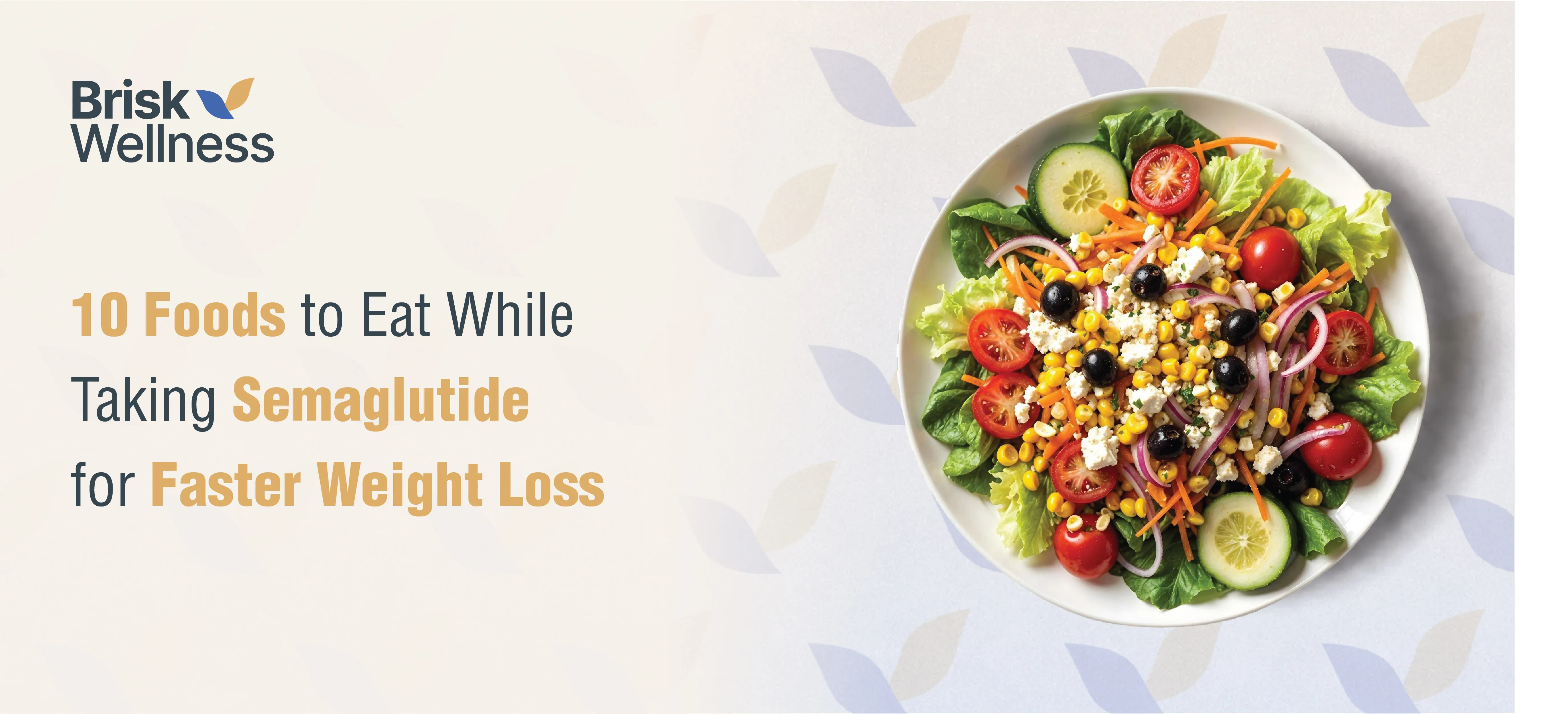
Starting semaglutide can make eating feel a bit different.
You may get full after half the meal you used to finish. Some days you might barely think about food. Other days, you may know you need to eat but nothing sounds particularly good.
So the question becomes pretty simple:
What should I actually eat?
There isn't a magic food that makes semaglutide work faster. The better approach is to choose foods that help you get enough protein, fibre, vitamins, minerals, and fluids while your appetite is lower.
Current nutrition guidance for people taking GLP-1 medications recommends focusing on nutrient-dense foods, adequate protein and hydration, while using smaller meals to help manage common stomach-related side effects.
If you're looking for foods to eat on semaglutide, these are some practical options.
1. Eggs
Eggs are easy, affordable and don't require much effort.
They're also a useful protein source, which matters when you're eating less overall.
Try:
- Boiled eggs
- Scrambled eggs
- Vegetable omelette
- Eggs with whole-grain toast
If a large breakfast suddenly feels like too much, a couple of eggs may be enough.
2. Greek Yogurt
Greek yogurt is handy when you want something quick without preparing an entire meal.
Try plain Greek yogurt with:
- Berries
- Chia seeds
- A few nuts
- Cinnamon
It's an easy breakfast or snack, especially on days when your appetite isn't great.
3. Chicken
Chicken is one of those foods you can use in almost anything.
Grilled or baked chicken can go into a salad, wrap, rice bowl or simple dinner with vegetables.
You don't need to turn every meal into a "diet meal." Just make sure there's a decent protein source on the plate.
4. Salmon
Salmon provides protein and healthy fats.
A small serving with vegetables and potatoes, rice or another carbohydrate can make a perfectly good meal.
One thing to watch, though: if semaglutide makes rich or fatty foods uncomfortable for you, keep the portion modest. High-fat meals can make nausea and other GI symptoms worse for some people.
5. Oatmeal
Oatmeal is an easy way to add a fibre-rich carbohydrate to your day.
You can add:
- Berries
- Greek yogurt
- Chia seeds
- A small amount of nut butter
Keep the portion comfortable. You don't have to finish a huge bowl just because you made one.
6. Berries
Strawberries, blueberries and raspberries are easy to add to yogurt, oatmeal or smoothies.
They also give you fibre and other nutrients without needing a large portion.
Current GLP-1 nutrition guidance recommends fruits and vegetables as part of a nutrient-dense eating pattern.
7. Avocado
Avocado provides fibre and unsaturated fats.
A little can go a long way, so try a small portion with:
- Eggs
- Whole-grain toast
- Chicken
- Salad
It's nutritious, but it's also calorie-dense, so you don't need half an avocado with every meal.
8. Beans and Lentils
Beans and lentils give you both fibre and plant-based protein.
You can add them to soups, salads, rice bowls or vegetable dishes.
If you're already dealing with bloating or constipation, though, don't suddenly double your fibre intake. Increase it gradually and drink enough fluids. Fibre and hydration are both important during GLP-1 treatment, but your tolerance matters.
9. Leafy Green Vegetables
Spinach, lettuce, kale, arugula and similar vegetables are easy ways to add nutrients to smaller meals.
Throw some into:
- Eggs
- Soups
- Wraps
- Salads
- Smoothies
You don't need a giant salad just to say you ate vegetables. A handful still counts.
10. Cottage Cheese
Cottage cheese is another convenient protein option.
Have it with fruit, berries, cucumber or whole-grain crackers.
It can be especially useful when you're not hungry enough for a full meal but still need something nutritious.
What Is the Best Diet While on Semaglutide?
There isn't one best diet while on semaglutide.
And that's actually a good thing.
A rigid diet may work for two weeks and then become impossible to maintain.
Instead, build meals around a few basics:
Protein + vegetables or fruit + fibre-rich carbohydrates + healthy fats
For example:
Chicken + vegetables + rice + avocado
or
Greek yogurt + berries + chia seeds
or
Eggs + whole-grain toast + fruit
The aim is to make your food more nutritious, not make your life miserable.
Semaglutide Diet Tips That Are Actually Practical
A lot of semaglutide diet tips online make eating sound much more complicated than it needs to be.
A few simple habits can help.
Eat smaller portions
Semaglutide can reduce appetite and slow gastric emptying. Large meals may therefore feel uncomfortable, particularly when you're adjusting to treatment.
Start with a smaller serving.
You can always have more if you're still hungry.
Put protein first
When you're eating less, protein can accidentally disappear from your diet.
Try to include a protein source in your meals, such as eggs, fish, poultry, yogurt, cottage cheese, tofu or beans.
Adequate protein is particularly important during weight loss because maintaining muscle matters too.
Drink enough water
Don't wait until you're incredibly thirsty.
Hydration becomes especially important if you're experiencing vomiting or diarrhea.
Eat slowly
You don't have to rush through meals.
Take your time and pay attention to when you're comfortably full. You may find that you need much less food than you used to.
Don't suddenly load up on fibre
Fibre is important, but going from very little fibre to huge amounts of beans, vegetables and seeds overnight can leave your stomach unhappy.
Increase it gradually.
What to Eat When Semaglutide Makes You Nauseous
This is where what to eat while taking semaglutide can change depending on how you're feeling.
If you're nauseous, a huge meal probably isn't going to sound great.
Smaller, simpler meals may be easier.
Some options include:
- Crackers
- Eggs
- Plain yogurt
- Oatmeal
- Rice
- Bananas
- Apples
- Chicken
- Ginger tea
Expert guidance for GLP-1 treatment commonly recommends smaller meals and avoiding very fatty or spicy foods when nausea is an issue.
If you're repeatedly vomiting or struggling to keep fluids down, don't just try to fix it with food. Speak with your healthcare provider.
What Foods Should You Limit?
There isn't a universal list of foods that everyone taking semaglutide must completely avoid.
But some foods may be harder to tolerate.
You may want to limit:
- Very greasy meals
- Large portions
- Heavy fried foods
- Very spicy foods
- Excessive alcohol
- Sugary drinks
- Foods that repeatedly trigger nausea or stomach discomfort
The important part is noticing what your body is telling you.
If a particular meal makes you feel awful every time, you don't need to keep eating it because someone online called it "healthy."
Does Eating Better Make Semaglutide Work Faster?
Not exactly.
There isn't a food that switches semaglutide into some kind of turbo mode.
The purpose of eating well is different.
You're trying to support weight loss without sacrificing nutrition.
Because appetite can drop significantly with GLP-1 treatment, eating a smaller amount of food makes food quality more important. Current guidance recommends prioritising nutrient-dense foods such as fruits, vegetables, whole grains, legumes, lean proteins, nuts and seeds.
That's the real goal.
Not "eat this food and lose weight faster."
Your Semaglutide Nutrition Guide Doesn't Need to Be Complicated
You don't need expensive superfoods or a refrigerator full of foods labelled "weight loss."
Keep a few basics around:
Protein: eggs, chicken, fish, Greek yogurt, cottage cheese, beans
Fruit: berries, apples, oranges, bananas
Vegetables: spinach, broccoli, peppers, carrots, leafy greens
Carbohydrates: oats, potatoes, brown rice, whole grains
Healthy fats: avocado, nuts, seeds, olive oil
Then mix and match.
That's much easier to maintain than following an extreme meal plan for ten days and giving up.
The Bottom Line
The best foods to eat on semaglutide aren't fancy.
They're foods that help you get enough nutrition while you're eating less.
Think:
Protein.
Fruits and vegetables.
Fibre.
Fluids.
Smaller portions.
And give yourself some flexibility.
Your diet doesn't have to be perfect for semaglutide to be part of a successful weight-management plan.
Explore Medical Weight-Loss Support With Brisk Wellness
If you're considering semaglutide and aren't sure whether it's appropriate for you, Brisk Wellness connects you with licensed healthcare providers who can review your health history, discuss your goals and determine whether provider-guided medical weight-loss treatment is appropriate.
Your medication is one part of the process.
What you eat, how you move and the habits you build around it matter too.
Explore your weight-management options with Brisk Wellness today.
FAQs
Can I eat carbs while taking semaglutide?
Yes. Oats, potatoes, fruit, beans and whole grains can all fit into a balanced diet.
What should I eat when I have very little appetite?
Keep it simple. Eggs, Greek yogurt, cottage cheese, fruit, oatmeal or a small protein-rich meal can be easier to manage.
Should I eat more protein on semaglutide?
Protein is important during weight loss, especially when you're eating less overall. Your individual needs can vary, so your provider or dietitian can help you work out an appropriate amount.
Should I avoid fatty foods?
Not necessarily. But very fatty or greasy meals can make nausea worse for some people, so smaller portions may be easier to tolerate.
What if I keep feeling nauseous?
Try smaller meals and avoid foods that seem to trigger your symptoms. If nausea or vomiting is persistent or severe, speak with your healthcare provider.